Mourvèdre 2024
Del Barba Vineyard Mourvèdre, Contra Costa 2024
cranberry • garrigue
Vineyard
These ancient tree-like vines grow own-rooted in Delhi blow sand, decomposed granite that has been deposited by wind and water. The Delta has hot days and little rainfall, but the vine’s roots go deep (more than 40 feet) to reach the water table below, which allows them to be dry-farmed. Afternoon winds cool the vineyard down at the hottest part of the day. Mourvèdre’s home in Southern France, Bandol, shares the hot days, low rainfall, and strong cold afternoon wind, known there as the Mistral.
Sand soils can give very smooth tannins to a wine. The cranberry fruit and thyme-oregano garrigue notes balance perfectly with these light tannins to produce an easy, early drinking wine with beautiful depth and substance.
Vinification
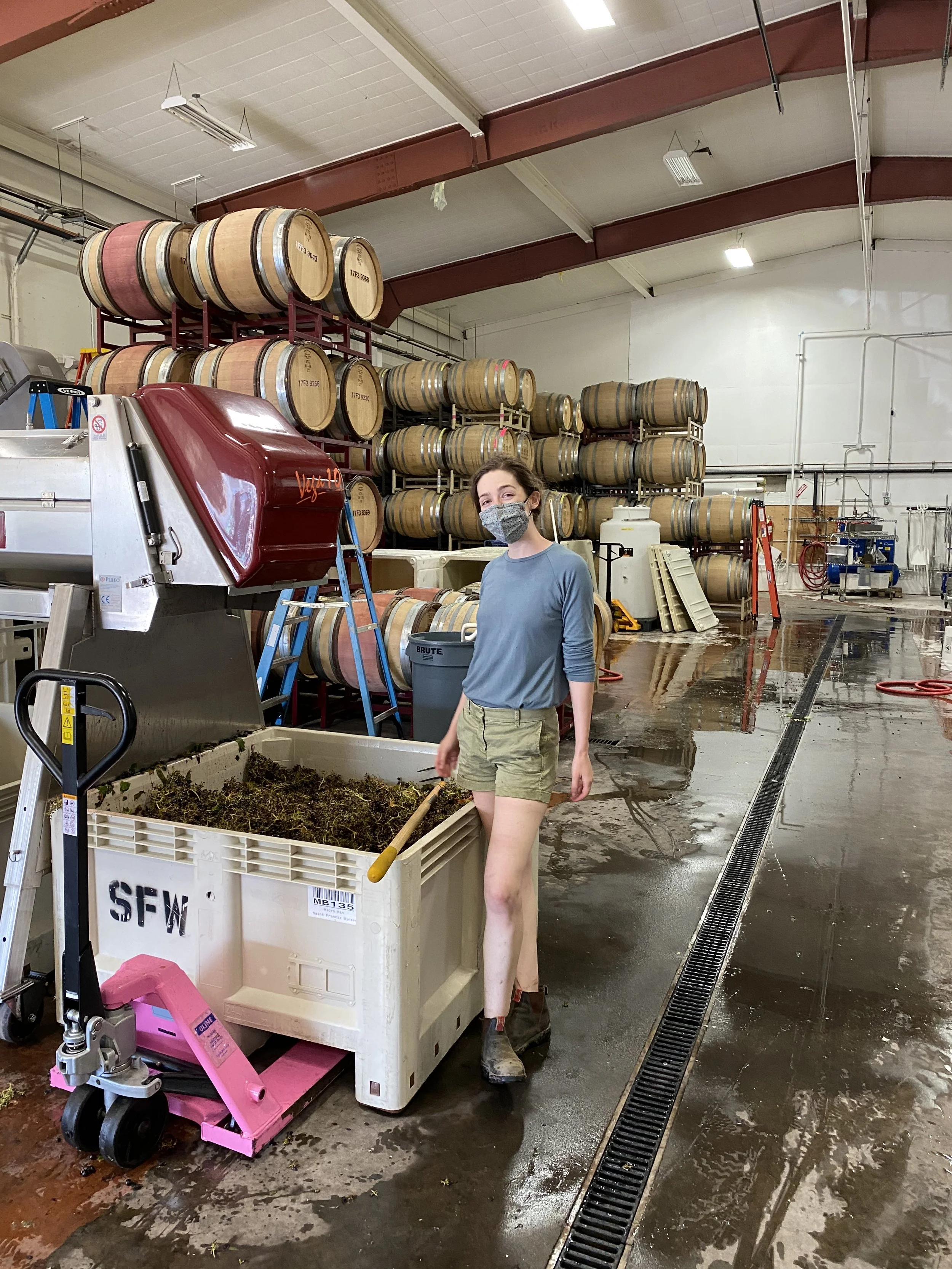
The Mourvèdre was fermented 10% whole cluster in open top fermentors, with 16 days of maceration. Aged 11 months in neutral French oak barrels on fine lees.
History
The Del Barba family immigrated to Oakley from Italy in the 1880s, alongside a wave of Portuguese and Irish immigrants. The history of this vineyard is particularly important to me: my mother’s side of the family immigrated to Contra Costa from Ireland around 1901 and distilled eau de vie from the area’s orchards. When Prohibition hit, all of the area’s thriving wineries and distillers shut their doors. Some say that it is only by historical accident (and the legal allowance for ecumenical wine) that these old vine vineyards persevered.
Many of the centenarian vineyards planted Delta around Antioch, Brentwood, and Oakley have been under pressure from the Bay Area housing shortage over the past few years, made even more acute by the recent BART extension. Families like the Del Barbas could easily sell off their land for millions of dollars, as so many of their neighbors have done. Fortunately for those of us who value this cultural patrimony (and the wines it produces), many families maintain the mindset that one never owns a piece of family land, but is merely the caretaker of it for future generations. The Del Barba family has farmed this vineyard for 6 generations.
Artwork
Leading up to the Del Barba pater familias’ front door are a row of olive trees. This old vine block sits behind Fred Del Barba’s house. Grape vines, along with olives and figs, share some fascinating botanical similarities: they can all thrive in poor soils, like sand, or even toxic ones, like serpentine.
5 barrels made
$42